Bhutan, the Land of the Thunder Dragon, is a mystical kingdom nestled in the heart of the Himalayas. This is not simply a destination — it is a journey into a world where happiness is measured not by wealth, but by well-being.

Here, prayer flags dance against snow-capped peaks. Ancient dzongs stand watch over emerald valleys. Monasteries whisper stories that are centuries old. Bhutan is where spirituality and adventure exist in harmony — where sacred tradition continues to thrive in a rapidly changing world.

What Makes Bhutan Unique

World's Only Carbon Negative Country

Bhutan absorbs more carbon dioxide than it produces, with over 72% of the country under forest cover — protected by its Constitution. Environmental preservation is not a policy choice here; it is a national duty.

Gross National Happiness

Bhutan is the only nation that measures progress through Gross National Happiness rather than GDP. The well-being of its people, culture, and environment defines true development.

Living Buddhist Culture

Ancient traditions are not preserved behind glass — they are woven into everyday life. From traditional dress and sacred architecture to monastery rituals, Bhutan’s spiritual heritage remains vibrantly alive.

Sacred Sites & Architectural Wonders

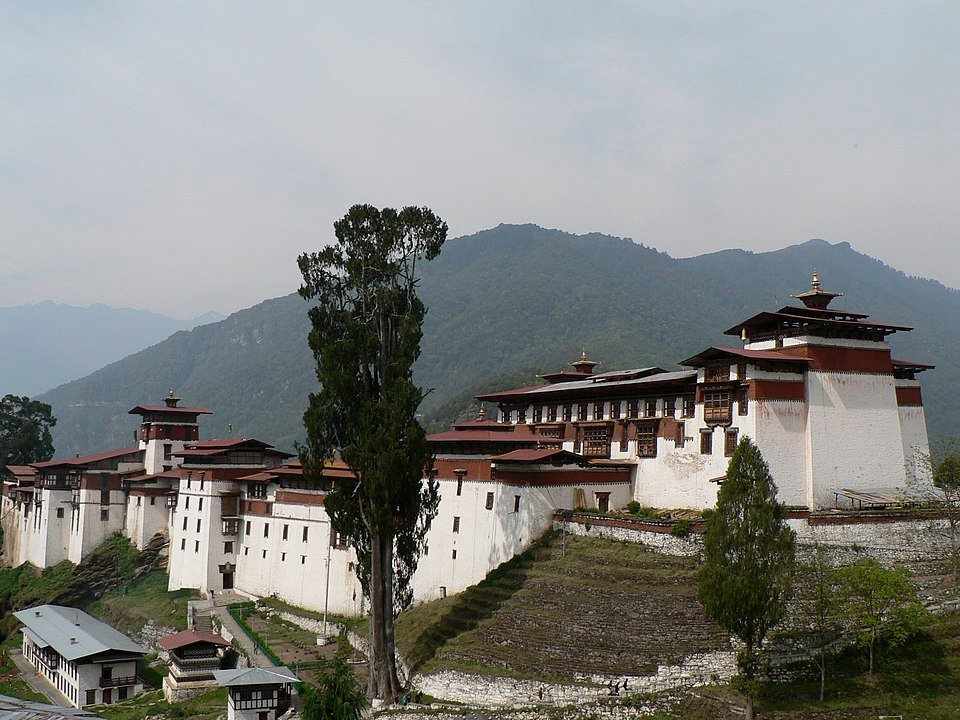
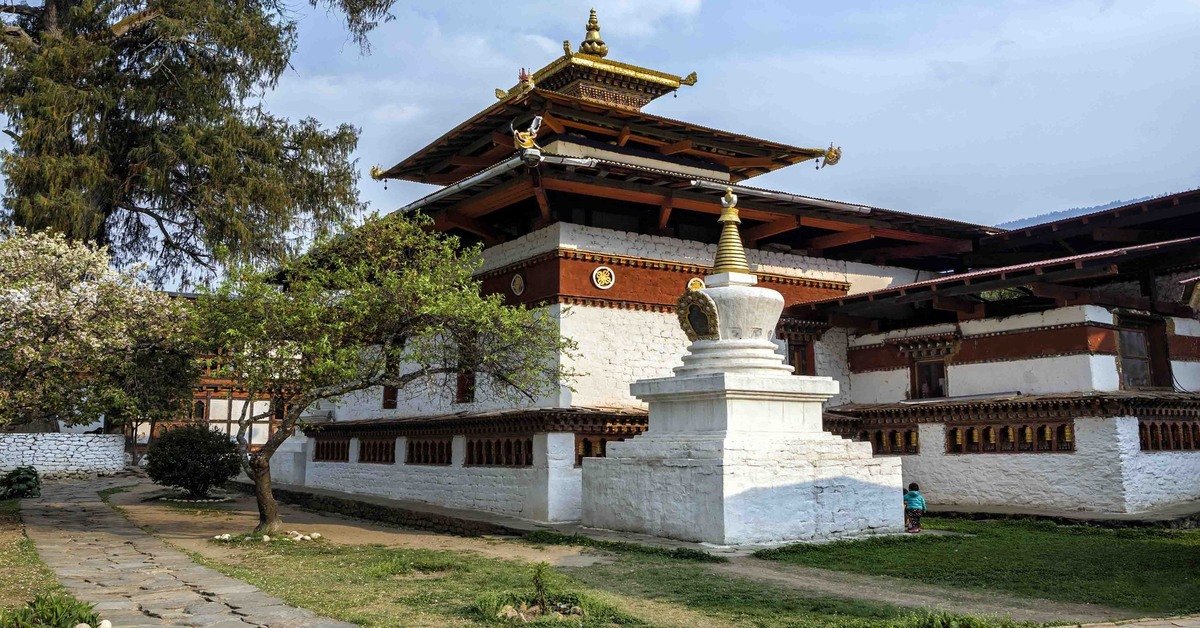
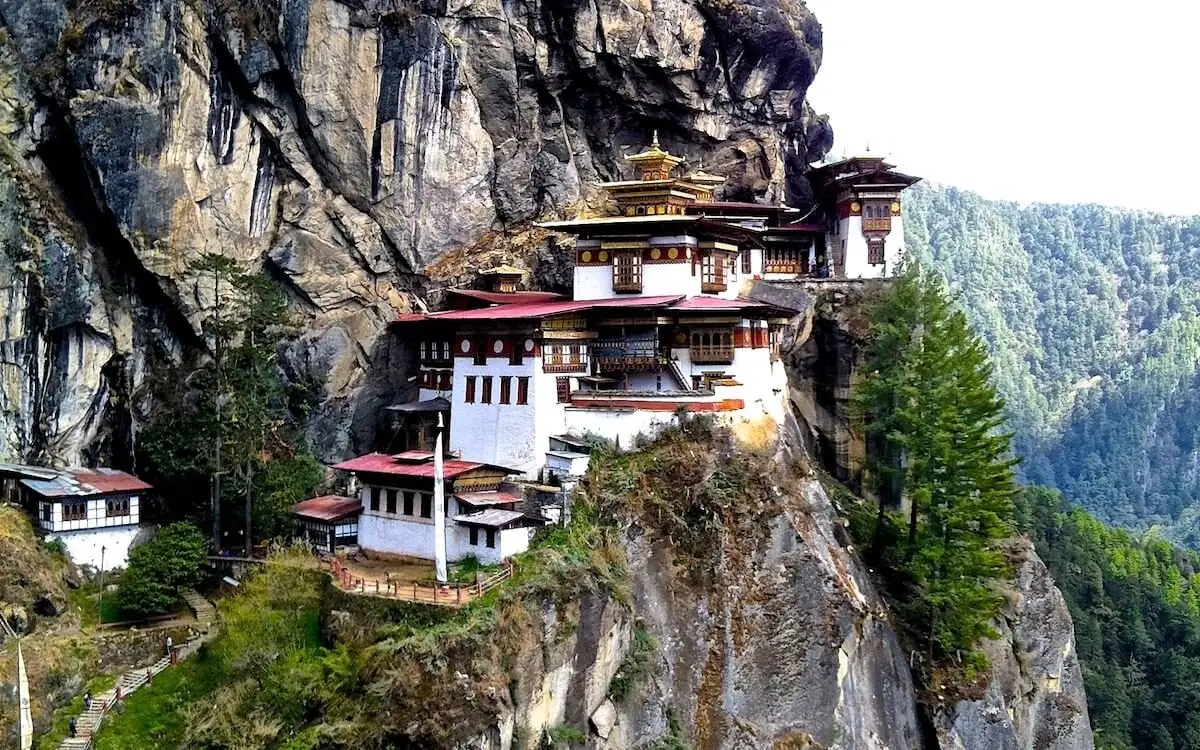
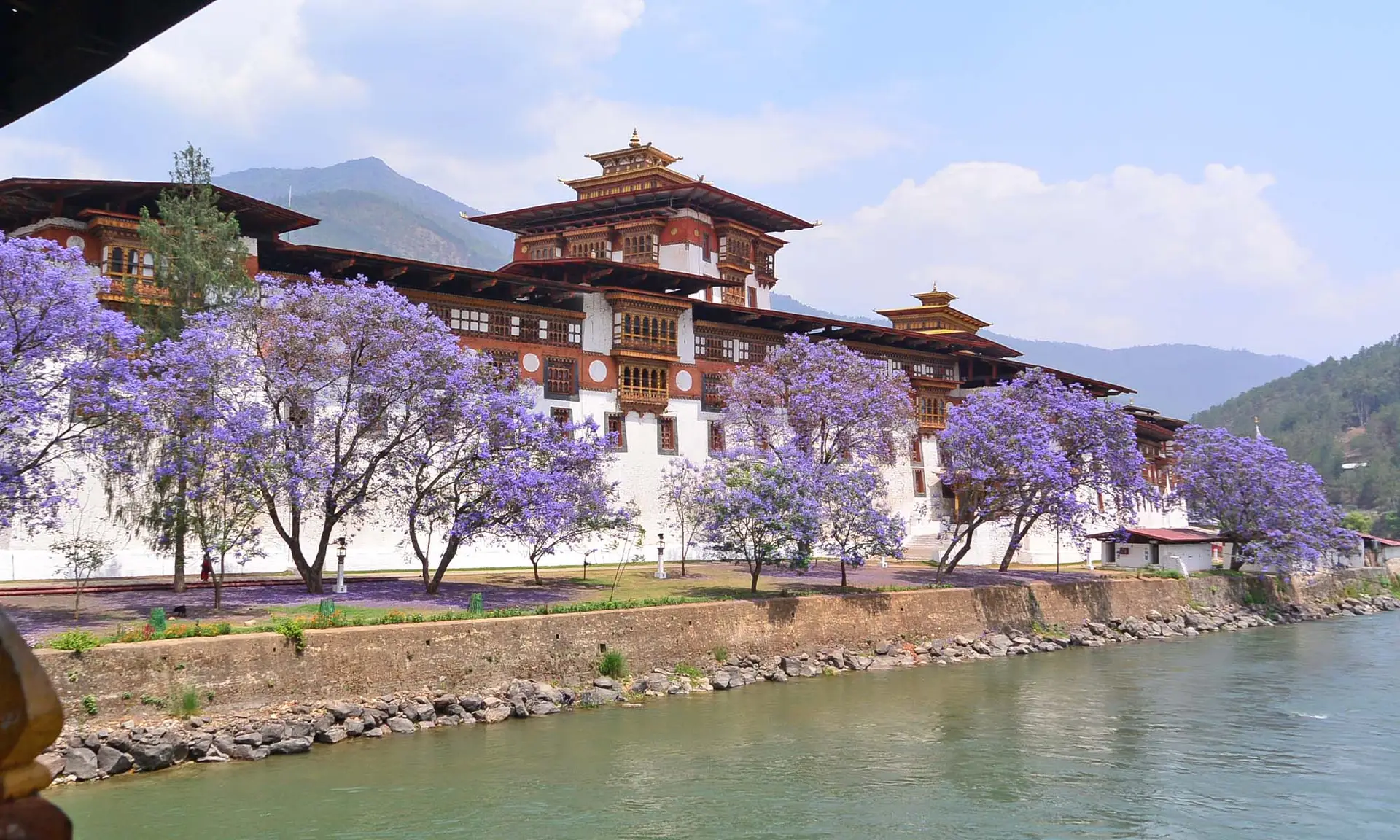
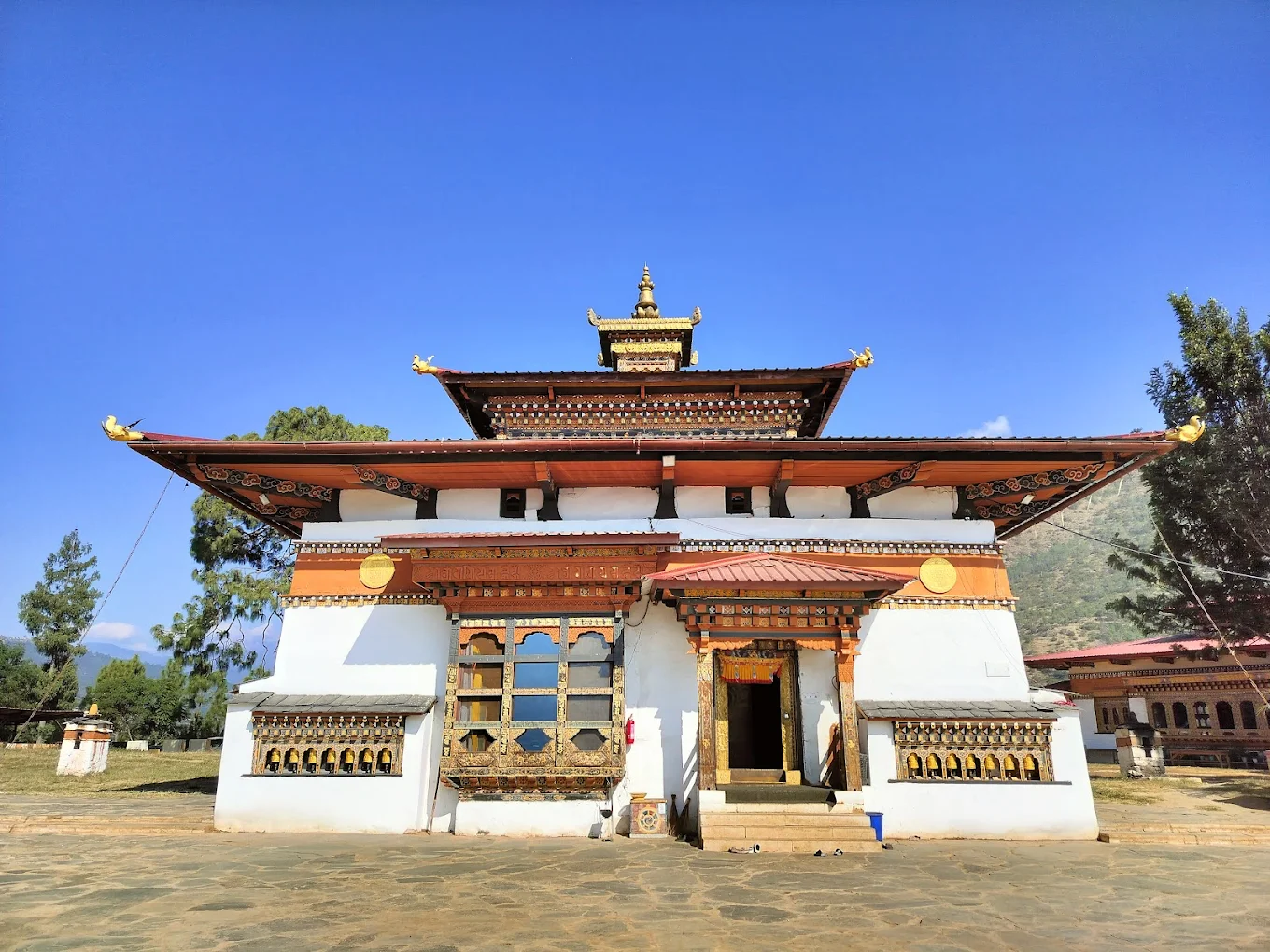
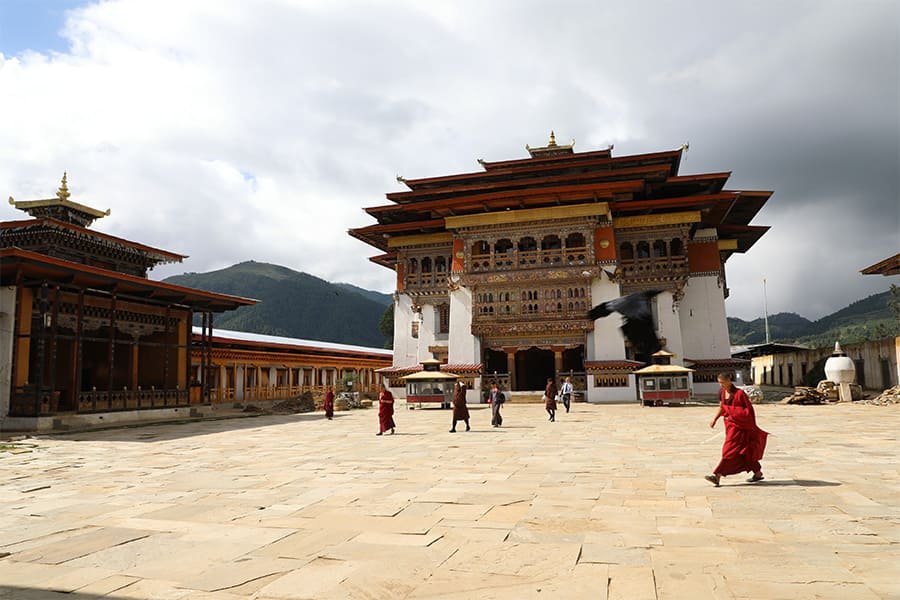
Bhutan’s monasteries and dzongs are living spiritual centers, seamlessly blending sacred tradition with extraordinary architecture.
Explore Bhutan by Region

Home to Paro and Thimphu, Western Bhutan is where most journeys begin. Discover the iconic Tiger’s Nest Monastery, the vibrant capital city, and fertile valleys.

Key Attractions:
– Paro Taktsang (Tiger’s Nest) – The most iconic monastery
– Thimphu – The Capital City with no traffic lights
– Punakha Dzong – Palace of Great Happiness
– Dochula Pass – 108 memorial chortens with Himalayan views
– Chele La Pass – Highest motorable pass (3,988m)
– National Memorial Chorten – Thimphu’s spiritual heart
– Buddha Dordenma – Giant golden Buddha statue
– Paro Dzong (Rinpung Dzong) – Fortress on a heap of jewels

Best For:
First-time visitors, cultural immersion, monastery visits, festival experiences, moderate trekking

Elevation: 2,200m – 4,000m

Climate: Mild in valleys, cool in mountains

The spiritual heartland of Bhutan, Central Bhutan (Bumthang region) is where Buddhism first entered the kingdom. Experience ancient temples, sacred valleys, and the deepest connections to Bhutanese heritage.

Key Attractions:
– Bumthang Valley – Four sacred valleys in one
– Jakar Dzong – “Castle of the White Bird”
– Jambay Lhakhang – One of Bhutan’s oldest temples (7th century)
– Kurjey Lhakhang – Where Guru Rinpoche meditated
– Trongsa Dzong – Largest fortress in Bhutan
– Trongsa Museum – Royal heritage museum in watchtower
– Burning Lake (Mebar Tsho) – Sacred pilgrimage site
– Tang Valley – Remote and pristine cultural landscape

Best For:
Spiritual seekers, culture enthusiasts, history buffs,
off-the-beaten-path experiences, textile lovers

Elevation: 2,600m – 3,600m

Climate: Cooler than western valleys, crisp mountain air

The subtropical gateway to the kingdom, Southern Bhutan offers lush forests, incredible biodiversity, and a completely different climate from the mountain regions. This is Bhutan’s wildlife and nature adventure zone.

Key Attractions:
– Phuentsholing – Border town and commercial hub
– Royal Manas National Park – UNESCO World Heritage Site
– Zhemgang – Remote district with black-necked crane habitat
– Gelephu – Warm climate, diverse wildlife
– Sarpang – Dense forests and traditional villages
– Khaling Wildlife Sanctuary – Biodiversity hotspot
– Tingtibi – Gateway to central Bhutan
– Jigme Singye Wangchuck National Park – Tiger habitat

Best For:
Wildlife enthusiasts, bird watchers, nature lovers,
warm weather seekers, jungle trekking, biodiversity exploration

Elevation: 150m – 2,000m (lowest in Bhutan)

Climate: Subtropical, warm and humid, monsoon rains

The wild and remote frontier of Bhutan, Eastern regions offer authentic experiences far from tourist crowds. Discover unique tribal cultures, pristine landscapes, and traditional textiles found nowhere else in the kingdom.

Key Attractions:
– Trashigang Dzong – Eastern region’s administrative center
– Trashiyangtse – Home to traditional wooden bowl making
– Mongar – Charming town with beautiful dzong
– Lhuentse – Birthplace of Bhutan’s royal family
– Merak & Sakteng – Home to semi-nomadic Brokpa people
– Gom Kora Temple – Sacred site with unique festival
– Radhi Village – Famous for raw silk weaving
– Yongphula – Stunning views and small airport

Best For:
Adventure seekers, cultural explorers, textile enthusiasts,
photographers, those seeking authentic experiences

Elevation: 600m – 3,500m (extreme variation)

Climate: Subtropical in lower areas, alpine in highlands

Bhutan Through the Seasons

Perfect for: Rhododendron blooms, Paro Tshechu Festival
Weather: Pleasant and mild, 10–20°C
Highlights: Valleys carpeted with flowers, crystal-clear mountain views
What to Pack: Light layers, sunglasses, sun protection

Perfect for: Nature lovers, scenic drives, fewer crowds
Weather: Warm and humid, 18–25°C (monsoon season)
Highlights: Lush green valleys, flowing rivers, dramatic cloud formations
What to Pack: Rain jacket, waterproof shoes, quick-dry clothing

Perfect for: Trekking, photography, major festivals
Weather: Cool and dry, 10–20°C
Highlights: Best trekking conditions, clear Himalayan views, Thimphu Tshechu
What to Pack: Layered clothing, trekking gear, light jacket

Perfect for: Cultural tours, peaceful travel, winter festivals
Weather: Cold and dry, –2 to 10°C
Highlights: Snow-capped mountains, clear skies, Punakha Dromche
What to Pack: Warm clothing, gloves, scarf, insulated jacket

Did You Know?

Essential Bhutan Information

Visa & Entry

All tourists must book through licensed operators. We manage your visa, permits, and entry formalities seamlessly before arrival.

Best Time to Visit

Spring (March–May) and Autumn (September–November) offer clear skies and ideal temperatures. Each season presents a distinct landscape and cultural rhythm.

Cultural Etiquette

Remove shoes before entering temples, walk clockwise around monuments, dress modestly, and observe local customs respectfully.

What to Pack

Bring layered clothing for changing temperatures, comfortable walking shoes, sun protection, and appropriate attire for monastery visits.

Currency & Money

The Bhutanese Ngultrum (BTN) and Indian Rupee are accepted. ATMs are available in major towns, though carrying small denominations is advised.

Communication

WiFi is available in most hotels. Local SIM cards can be purchased upon arrival, and English is widely spoken in tourist areas.

"Let us craft your perfect Bhutanese adventure"

Ready to Explore the Last Shangri-La?

Scroll to Top