
Overview
This journey blends Bhutan’s rich culture, sacred monasteries, dramatic landscapes, and
the classic Druk Path Trek, connecting Paro and Thimphu through high mountain lakes
and alpine ridges.
Tour Highlights
- Cultural sightseeing in Paro, Thimphu & Punakha
- Iconic Tiger’s Nest Monastery hike
- Classic Druk Path Trek with alpine lakes
- Balanced mix of culture, nature, and adventure
Itinerary
Druk Path Trek – Altitude ChartHighest Point of the Trek: - 4,200 m
| Day | Route | Overnight Location | Altitude (meters) |
|---|---|---|---|
| 01 | Arrival Paro | Paro Hotel | 2,280 |
| 02 | Paro – Jele Dzong – Jangchulakha | Camp | 3,780 |
| 03 | Jangchulakha – Jimilangtsho Lake | Camp | 3,870 |
| 04 | Jimilangtsho – Simkotra Lake | Camp | 4,200 |
| 05 | Simkotra – Phajoding | 4,100 | |
| 06 | Phajoding – Thimphu | 2,334 |
Highest Point of the Trek: - 4,200 m
Upon arrival at Paro International Airport, meet your guide and begin a scenic drive to
Thimphu (1.5 hrs). En route, enjoy views of rivers, terraced fields, and traditional villages.
Sightseeing in Thimphu:
Memorial Chorten
Buddha Dordenma Statue (panoramic valley views)
Tashichho Dzong (seat of government and monastic body)
Local handicraft market
Evening free to explore Thimphu town.
Overnight: Thimphu
Drive to Punakha crossing the stunning Dochula Pass (3,100m). On clear days, enjoy
breathtaking views of the eastern Himalayan peaks.
Sightseeing:
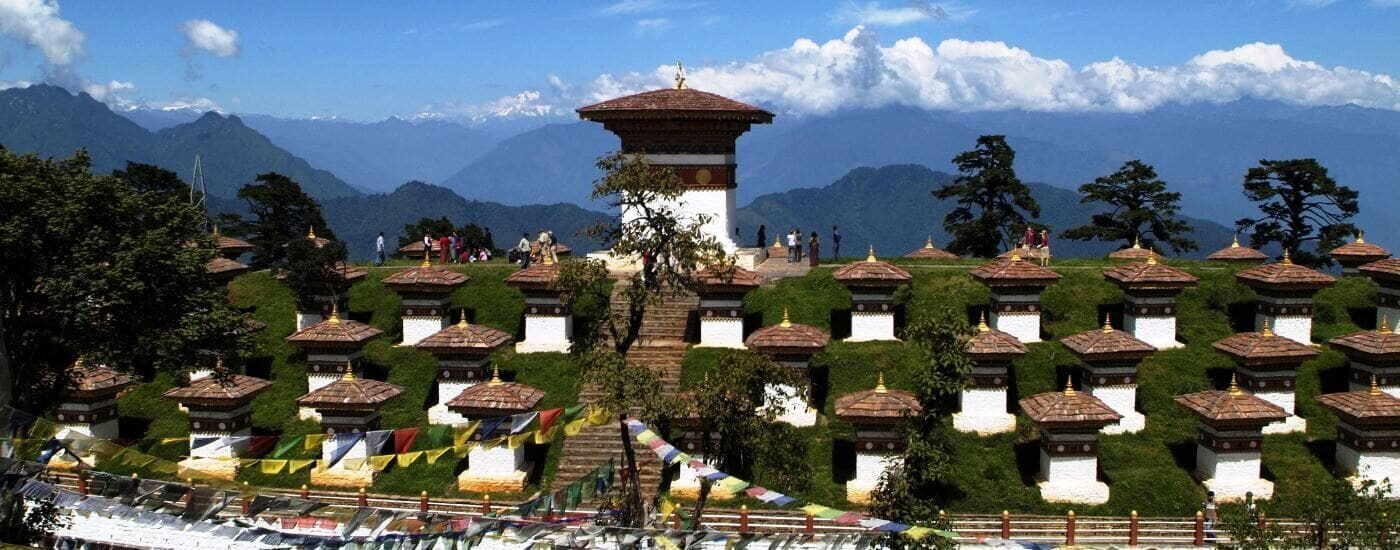
108 Dochula Chortens
Punakha Dzong (fortress at the confluence of Pho Chhu & Mo Chhu rivers)
Short walk to Chimi Lhakhang (Temple of Fertility)
Relax in the warm Punakha valley.
Overnight: Punakha
After breakfast, drive back to Paro via scenic mountain roads.
Sightseeing in Paro:
Rinpung Dzong
National Museum of Bhutan (Ta Dzong)
Traditional Bhutanese farmhouse visit (optional)
Evening at leisure in Paro town.
Overnight: Paro
Today’s highlight is the hike to Taktsang Monastery (Tiger’s Nest), one of Bhutan’s most
sacred sites, perched dramatically on a cliff face.
Hiking time: 4–5 hours (round trip)
Visit the monastery and enjoy breathtaking valley views Evening free for rest and trek preparation.
Overnight: Paro
Start the Druk Path Trek, ascending through pine forests and yak pastures. Gradual climb
offers beautiful views back toward Paro valley.
Altitude: approx. 3,800m
Chance to spot yaks and highland birds
Camp at Jangchulakha beneath open skies.
Walking Time: 4–5 hours
Overnight: Camp
Cross alpine ridges with panoramic mountain views. Descend to the stunning
Jigmelangtsho Lake, often reflecting snow-capped peaks.
One of the most scenic camping spots of the trek
Ideal area for photography and birdwatching
Walking Time: 4–6 hours
Overnight: Camp
Walk past several high-altitude lakes and yak herders’ camps. The trail undulates through
open valleys and ridgelines.
Visit Jimilang & Janetsho lakes
Views of Mt. Jomolhari (weather permitting)
Camp at Simkota.
Walking Time: 4–5 hours
Overnight: Camp
Final descent through forests to the road point near Thimphu. Drive back to Paro in the
afternoon.
Celebrate completion of the Druk Path Trek
Evening free for relaxation or souvenir shopping
Walking Time: 3–4 hours
Overnight: Paro
After breakfast, transfer to Paro International Airport for your onward journey, carrying
unforgettable memories of Bhutan’s culture and Himalayan wilderness.
Tour Includes
- Licensed English-speaking Bhutanese guide
- Private vehicle with driver
- Accommodation (Minimum 3 star rated)
- All meals Included
- Sightseeing as per itinerary
- Government royalty & taxes
Tour Excludes
- International airfare
- Travel insurance
- Personal expenses
- Tips & gratuities
- Optional activities
- Additional Experience charges
Packing Tips for Druk Path Trek
Lightweight trekking shirts (quick-dry)
Warm fleece or down jacket (for cold evenings)
Waterproof & windproof jacket
Trekking pants (avoid jeans)
Thermal inner layers (especially in spring & autumn)
Comfortable trekking socks (3–4 pairs)
Warm hat and sun hat
Gloves (light to warm, depending on season)
Sturdy, broken-in trekking boots (ankle support recommended)
Lightweight shoes or sandals for campsite use
Gaiters (optional, useful in wet or snowy conditions)
Daypack (20–30 liters)
Trekking poles (highly recommended for passes and descents)
Sleeping bag (rated for sub-zero temperatures)
Headlamp or torch with spare batteries
Reusable water bottle or hydration system
Sunscreen (high SPF) & lip balm
Sunglasses (UV protection)
Personal medication & basic first-aid kit Toiletries & biodegradable wet wipes
Quick-dry towel
Power bank (electricity not available on trek)
Passport copy
Travel insurance documents
Camera / phone for photography
Small backpack for short walks